How to Reduce Stress and Anxiety: A Practical Guide to Finding Calm in a Busy World
Learn simple and effective ways to reduce stress and anxiety naturally. Discover practical tips like mindfulness, exercise, better sleep, and healthy habits to improve your mental well-being and live a calmer, happier life.
Hasnain Shaikh
4/16/20262 min read
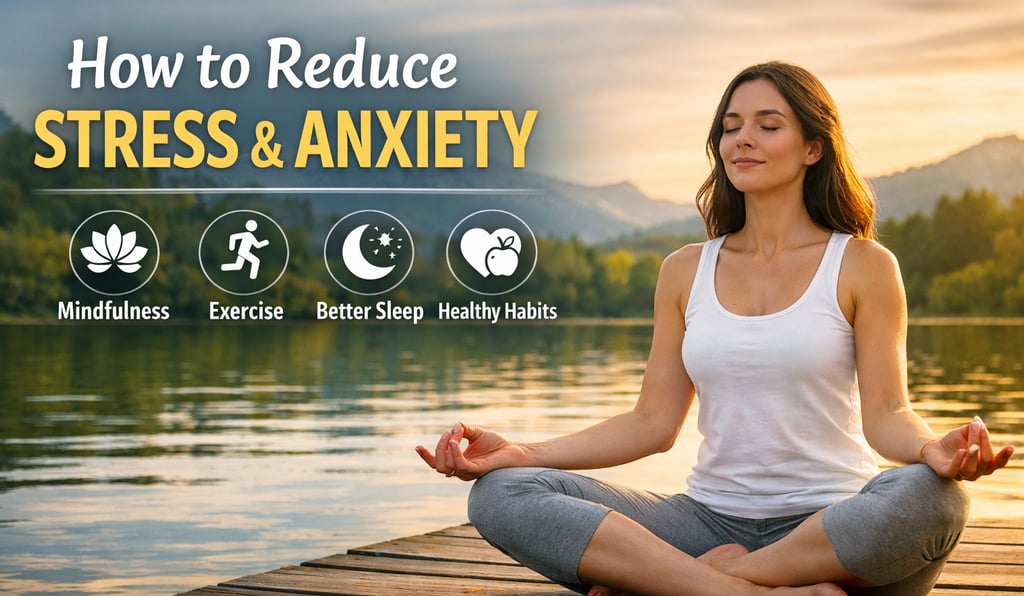
In today’s fast-paced world, stress and anxiety have quietly become part of everyday life. Whether it's work pressure, financial concerns, or constant digital overload, many people feel overwhelmed more often than they’d like to admit. The good news? You can take control. With the right strategies, reducing stress and anxiety is not only possible—it’s sustainable.
Understanding Stress and Anxiety
Stress is your body’s natural response to challenges or demands, while anxiety is a persistent feeling of worry or fear, often without a clear cause. Occasional stress is normal, but chronic stress and anxiety can affect your physical health, mental clarity, and overall happiness.
Recognizing the signs—like irritability, fatigue, overthinking, or sleep disturbances—is the first step toward managing them effectively.
1. Practice Mindfulness and Meditation
One of the most powerful ways to calm your mind is through mindfulness. This means focusing on the present moment without judgment. Even just 10 minutes a day of meditation can:
Lower cortisol (stress hormone) levels.
Improve concentration.
Enhance emotional stability.
Try simple breathing exercises: inhale slowly for 4 seconds, hold for 4, and exhale for 6. This instantly signals your body to relax.
2. Stay Physically Active
Exercise is a natural stress reliever. It releases endorphins—your brain’s “feel-good” chemicals—and reduces tension in your body.
You don’t need an intense workout routine. Start with:
A 20-minute walk.
Yoga or stretching.
Dancing to your favourite music.
Consistency matters more than intensity.
3. Improve Your Sleep Routine
Lack of sleep can worsen anxiety and make stress harder to manage. Aim for 7–9 hours of quality sleep each night.
Tips for better sleep:
Avoid screens at least 30 minutes before bed.
Stick to a consistent sleep schedule.
Create a calming bedtime routine (reading, soft music, etc.
Good sleep restores both your mind and body.
4. Limit Caffeine and Sugar
While coffee and sugary snacks might give a quick boost, they can increase anxiety levels and cause energy crashes later.
Instead, try:
Herbal teas.
Water with lemon.
Balanced meals with protein and fiber.
Stable energy = stable mood.
5. Connect with People
Talking to someone you trust can make a huge difference. Whether it’s a friend, family member, or therapist, sharing your thoughts helps release emotional pressure.
Don’t isolate yourself—connection is a powerful antidote to anxiety.
6. Manage Your Time Effectively
Feeling overwhelmed often comes from having too much to do and not enough time. Break tasks into smaller steps and prioritize what truly matters.
Use techniques like:
To-do lists.
Time blocking.
The “2-minute rule” (if it takes less than 2 minutes, do it now.
Small wins build confidence and reduce stress.
7. Take Breaks and Do What You Love
Constant work without breaks leads to burnout. Schedule time for activities you enjoy—reading, painting, gardening, or simply doing nothing.
Relaxation isn’t a luxury; it’s essential.
8. Challenge Negative Thoughts
Anxiety often comes from overthinking or imagining worst-case scenarios. Try to question your thoughts:
Is this thought realistic?
What evidence supports it?
What’s a more balanced perspective?
Reframing your thinking can dramatically reduce anxiety.
9. Spend Time in Nature
Nature has a calming effect on the brain. Even a short walk in a park or sitting under a tree can:
Lower stress levels.
Improve mood.
Boost creativity.
Fresh air and greenery work wonders.
10. Seek Professional Help if Needed
If stress and anxiety feel overwhelming or persistent, don’t hesitate to seek help from a mental health professional. Therapy and counseling can provide personalized tools and support.
Final Thoughts
Reducing stress and anxiety isn’t about eliminating challenges—it’s about building resilience and learning how to respond calmly. Start small, stay consistent, and be patient with yourself.
A calmer mind leads to a healthier, happier life—and you deserve that.
Connect
Stay in touch for fresh insights weekly.
Call
contact@growthverse.blog
+91 7738177635
Website designed by Shopper Space Enterprises