How Social Media Affects Confidence: The Hidden Truth Behind Likes and Self-Esteem
Discover how social media affects confidence, self-esteem, and mental health. Learn the positive and negative effects of social media and tips to protect your confidence online.
Hasnain Shaikh
5/13/20264 min read
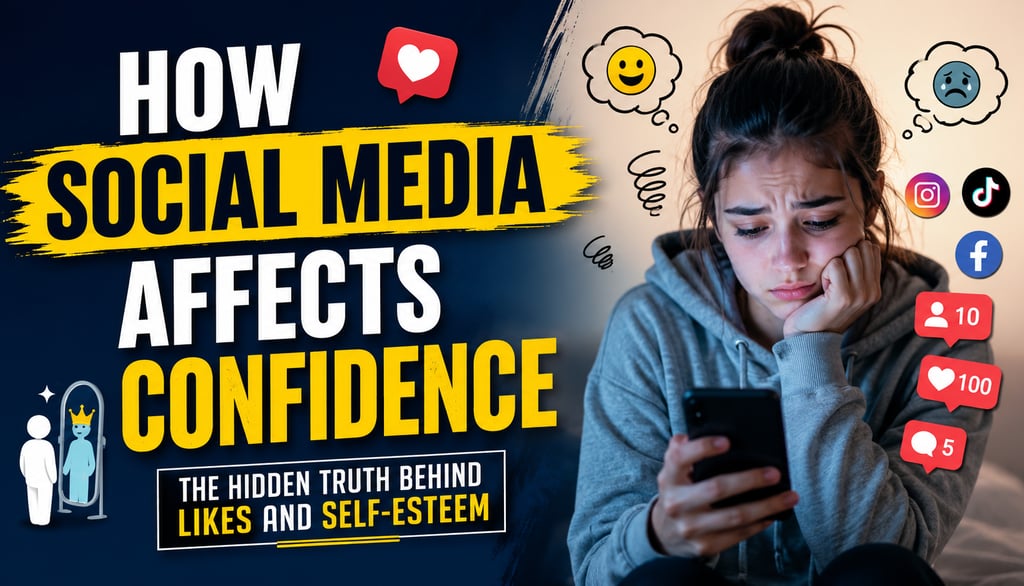
In today’s digital world, social media has become a major part of daily life. Platforms like Instagram, Facebook, TikTok, and Snapchat connect billions of people every day. While social media helps us stay connected, entertained, and informed, it also has a powerful impact on self-confidence and mental well-being.
Many people compare themselves to influencers, celebrities, or even friends online without realizing how deeply it affects their confidence. But how exactly does social media influence the way we feel about ourselves?
Let’s explore the positive and negative effects of social media on confidence and discover healthy ways to protect your self-esteem in the digital age.
What Is Confidence?
Confidence is the belief in your abilities, appearance, decisions, and self-worth. A confident person feels comfortable being themselves without constantly seeking approval from others.
However, social media often changes how people measure their value by focusing on likes, followers, comments, and online validation.
Positive Effects of Social Media on Confidence
Social media is not always harmful. When used wisely, it can actually improve confidence and personal growth.
1. Helps People Express Themselves
Platforms allow users to share their talents, creativity, opinions, and achievements with the world. Many people gain confidence by posting art, photography, videos, fitness journeys, or educational content.
For example, creators on YouTube often build self-confidence by sharing their passions and receiving positive feedback.
2. Builds Supportive Communities
Social media helps people find communities with similar interests or struggles. Whether it’s mental health support, fitness motivation, skincare advice, or career guidance, online groups can make people feel less alone.
Supportive comments and encouragement can boost self-esteem and emotional strength.
3. Encourages Learning and Growth
Educational content, motivational videos, and inspiring success stories can motivate people to improve themselves. Many users learn new skills, gain career confidence, or start businesses through social media exposure.
4. Helps Introverts Connect
People who struggle with face-to-face communication often feel more comfortable expressing themselves online. Social media can help shy individuals develop social confidence gradually.
Negative Effects of Social Media on Confidence
Although social media has benefits, excessive use can seriously damage confidence and mental health.
1. Constant Comparison
One of the biggest problems is comparison culture.
People often compare their real lives to the “highlight reels” of others. Influencers and celebrities usually post edited, filtered, and carefully selected moments that appear perfect.
This creates unrealistic expectations about:
Beauty
Success
Relationships
Body image
Lifestyle
As a result, many people feel insecure about their own lives.
2. Addiction to Validation
Many users begin to depend on likes, comments, and followers for self-worth.
When posts receive low engagement, people may feel:
Rejected
Unimportant
Unattractive
Ignored
Over time, confidence becomes dependent on online approval rather than genuine self-belief.
3. Body Image Issues
Beauty filters and edited photos create unrealistic beauty standards. This especially affects teenagers and young adults.
People may develop insecurities about:
Skin
Weight
Hair
Facial features
Fashion choices
This can lead to low self-esteem, anxiety, and even depression.
4. Cyberbullying and Negative Comments
Hurtful comments, trolling, and online bullying can deeply damage confidence.
Even a few negative remarks can affect mental health for a long time, especially among teenagers who are emotionally vulnerable.
5. Fear of Missing Out (FOMO)
Seeing others constantly traveling, partying, or succeeding can make people feel left behind.
This feeling, known as FOMO (Fear of Missing Out), can create:
Stress
Jealousy
Loneliness
Low confidence
People may wrongly believe everyone else is happier or more successful.
How Social Media Affects Teenagers the Most
Teenagers are particularly vulnerable because they are still developing self-identity and emotional stability.
Excessive social media use among teens is often linked with:
Anxiety
Depression
Social pressure
Low self-esteem
Sleep problems
Young users may feel pressure to look perfect, gain followers, or fit into online trends.
Parents and educators should encourage healthy digital habits and open conversations about self-worth.
Signs Social Media Is Hurting Your Confidence
You may be negatively affected by social media if you:
Constantly compare yourself to others
Feel anxious after scrolling
Delete posts with low likes
Seek approval online frequently
Feel unattractive after viewing influencer content
Spend hours checking notifications
Feel unhappy with your real life
Recognizing these signs is the first step toward healthier social media use.
How to Protect Your Confidence on Social Media
1. Limit Screen Time
Spending less time online helps reduce comparison and mental exhaustion.
Set daily time limits for apps and focus more on real-life activities.
2. Follow Positive Content
Unfollow accounts that make you feel insecure or stressed. Instead, follow creators who inspire, educate, and motivate you positively.
3. Remember That Social Media Is Not Reality
Most people only post their best moments online. Real life includes struggles, failures, and imperfections that are rarely shown.
4. Focus on Real-Life Relationships
Spending time with family and friends in real life improves emotional connection and self-worth more than online interactions.
5. Practice Self-Acceptance
Confidence grows when you accept yourself instead of chasing unrealistic perfection.
Focus on:
Your strengths
Personal growth
Healthy habits
Real achievements
6. Take Social Media Breaks
A short digital detox can improve mental clarity, reduce anxiety, and restore confidence.
Many people feel happier and calmer after reducing social media usage.
Can Social Media Ever Be Healthy?
Yes — social media can be healthy when used mindfully.
The key is balance.
Use social media as a tool for:
Learning
Creativity
Communication
Inspiration
Business growth
But avoid letting it define your value or identity.
Final Thoughts
Social media has a powerful influence on confidence, both positively and negatively. While it offers opportunities for connection, creativity, and learning, it can also create insecurity, comparison, and emotional pressure.
True confidence does not come from likes, followers, or filters. It comes from self-acceptance, personal growth, and real-life experiences.
By using social media wisely and protecting your mental well-being, you can enjoy its benefits without letting it damage your self-esteem.
Connect
Stay in touch for fresh insights weekly.
Call
contact@growthverse.blog
+91 7738177635
Website designed by Shopper Space Enterprises